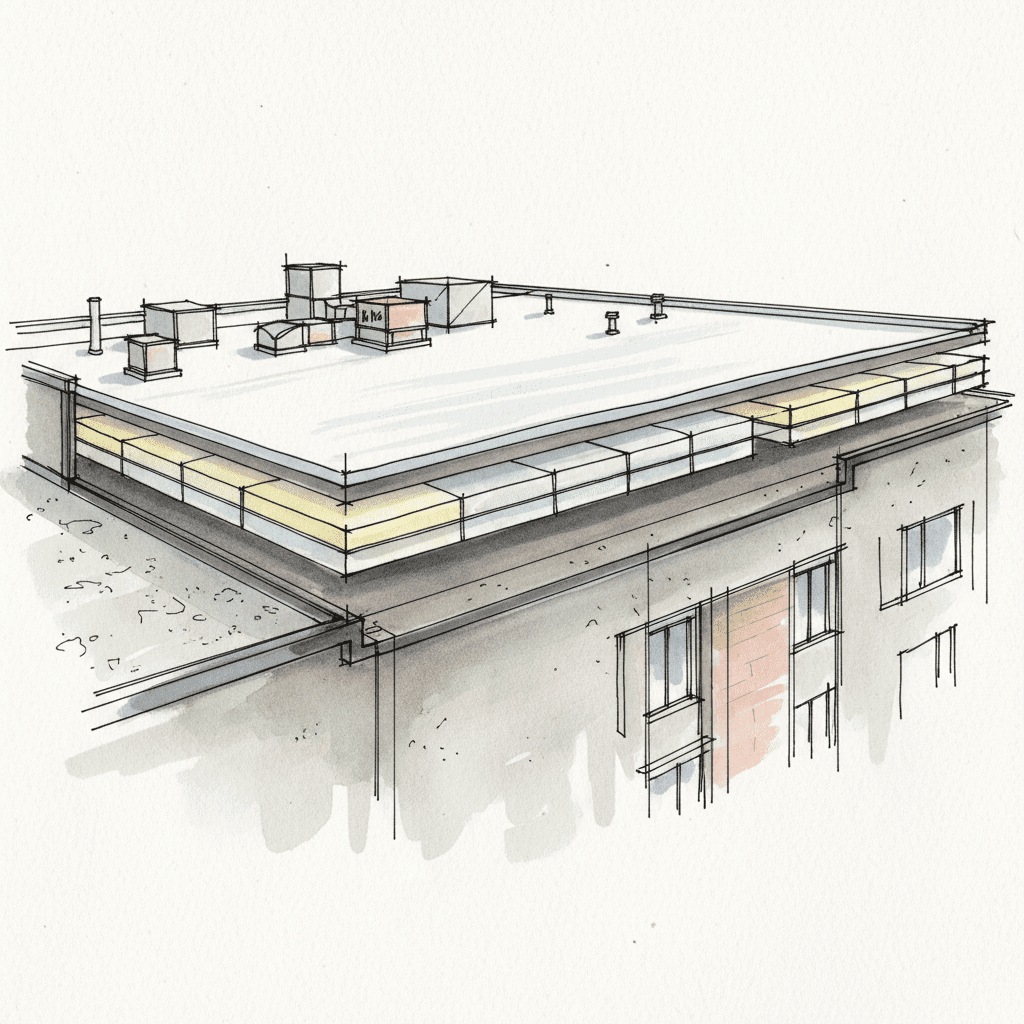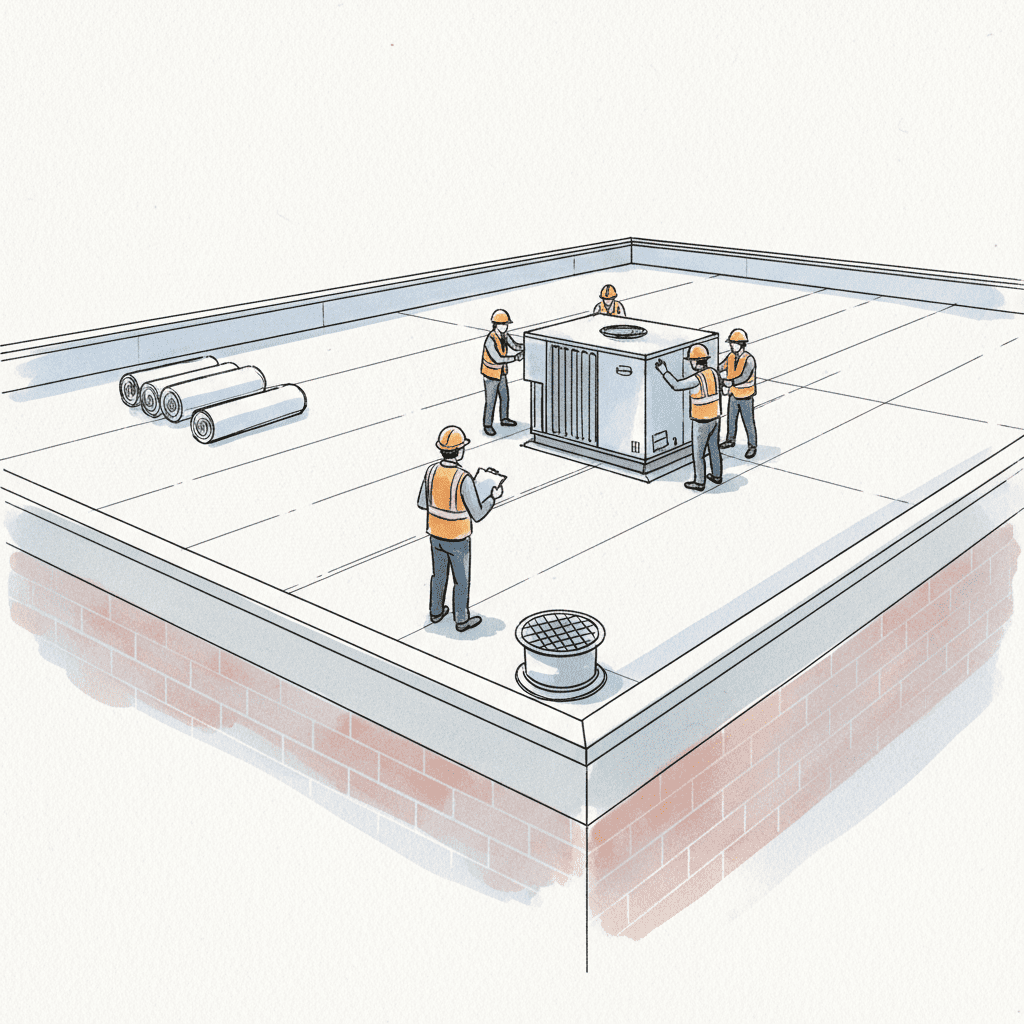
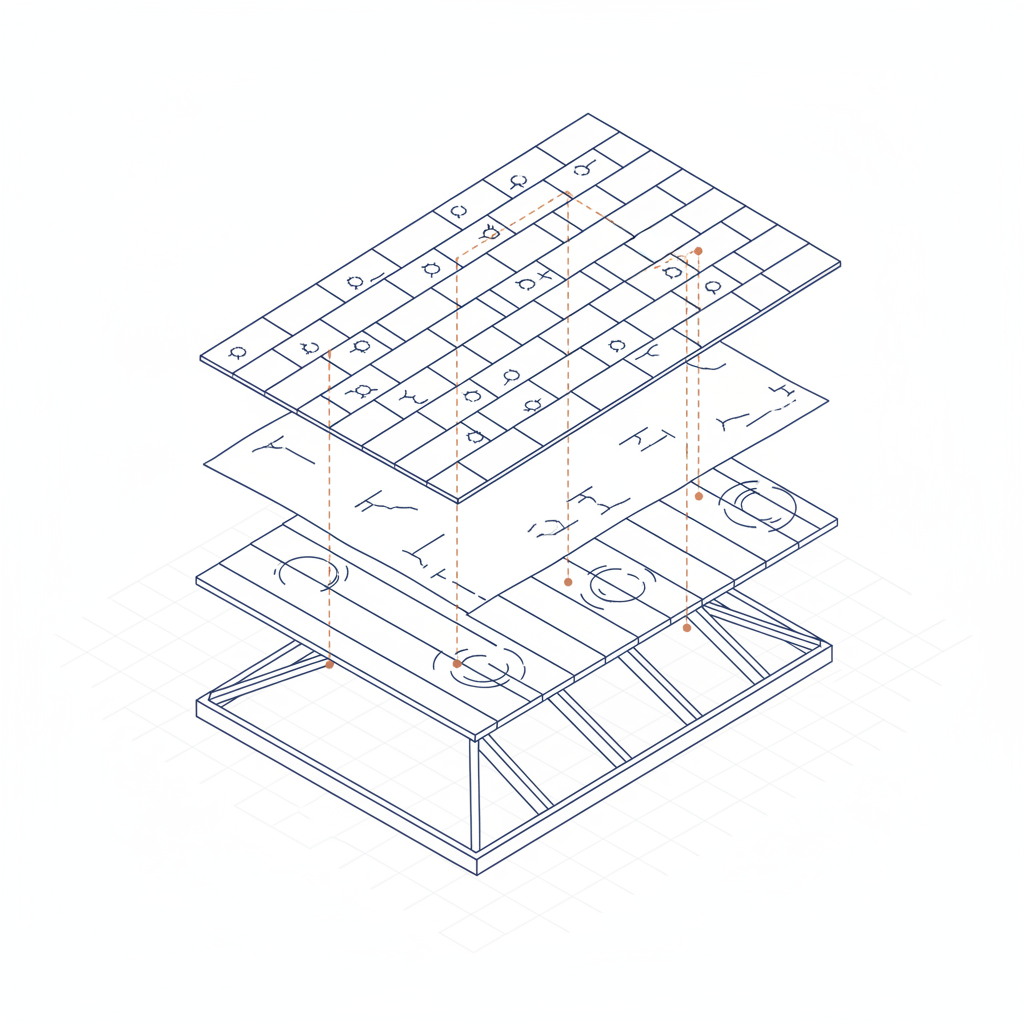
A roof hail damage assessment is a forensic examination of a building’s top covering to identify and quantify acute impact damage that compromises its protective function. The primary role of a roof, as a complete system, is to provide absolute protection against rain, snow, sunlight, temperature extremes, and wind. Hail damage is not a cosmetic issue; it is a functional failure that directly undermines this core purpose, accelerates the degradation of your asset, and initiates a cascade of potential structural failures. For homeowners who value order and precision, understanding this process is the first step toward a predictable, controlled restoration and away from the chaos that defines the typical contracting experience.
This is not a guide for finding the cheapest repair. If your primary decision-making metric is the lowest possible price, RocStout is not the right partner for you. Our process is designed for meticulous property owners who understand that the highest cost is the one you pay for disorganization, vague timelines, and improper execution. We deliver a predictable, transparent, and technically sound restoration. Nothing less.
A Systematic Framework for Roof Hail Damage Assessment
A valid hail damage assessment is not a casual glance from a ladder. It is a systematic process that begins with establishing a baseline, adheres to strict safety protocols, and concludes with irrefutable documentation. This methodology transforms a subjective opinion into an objective, data-driven report, which is the only effective tool for navigating the insurance claims process without ambiguity.
Establishing a Pre-Inspection Baseline: Differentiating Normal Wear from Acute Damage
A roof is a depreciating asset constantly exposed to the elements. Differentiating its natural aging process from acute, event-specific damage is fundamental to a legitimate claim. An inspector who cannot distinguish between the two is unqualified.
- Normal Wear and Tear: This includes uniform granule loss on asphalt shingles from long-term exposure to sun and rain, thermal cracking from expansion and contraction cycles, and minor weathering on flashing. These are predictable, system-wide conditions.
- Acute Damage: Hail damage is characterized by random, localized impacts. It manifests as distinct bruises on shingles, sharp dents in metal, or fractures in slate. It is inconsistent with the roof’s normal degradation pattern. Establishing this distinction prevents claim denials based on alleged pre-existing conditions.
Essential Safety Protocols for On-Roof Inspections
We state this unequivocally: homeowners should not perform their own on-roof inspections. The risk of falls is severe and unnecessary. This information serves to equip you to evaluate the professionalism of a contractor. A contractor who disregards safety is a contractor who will disregard the details of your project. A professional inspection always includes:
- Ladder Safety: The ladder must extend three feet above the roofline and be set at a 4:1 angle on stable, level ground.
- Fall Protection: On any roof with a steep slope (typically over a 6/12 pitch), a full fall-arrest system consisting of a harness, lanyard, and anchor is mandatory.
- Personal Protective Equipment (PPE): This includes, at a minimum, high-traction footwear and safety glasses.
Adherence to these protocols is a leading indicator of a disciplined, process-oriented company. Chaos on the roof leads to chaos on the project.
Documenting Evidence: The Key to a Predictable Claims Process
Your insurance claim is won or lost based on the quality of your evidence. Comprehensive documentation removes ambiguity and forces a fact-based discussion with your insurance carrier. The goal is to build a case so thorough that it preempts disputes.
A proper hail damage report consists of:
- High-Resolution Photographs: Each instance of damage should be photographed from multiple angles. Close-up shots must include an object for scale, such as a ruler or a coin, to accurately convey the size of the impact.
- Date and Time Stamping: All digital photos and videos must have embedded metadata proving they were taken after the storm event.
- Collateral Damage Inventory: Photograph all non-roof damage. Dents on gutters, downspouts, air conditioning fins, and window flashing provide irrefutable proof that hail of a sufficient size and density struck the property.
- Systematic Labeling: Photos should be organized and labeled by roof slope (e.g., ‘North Slope,’ ‘West Slope’) to demonstrate the storm’s path and impact density across the entire structure.
Hail Impact Analysis by Roof Material and Construction
A roof is a system of integrated materials. Each material reacts to kinetic energy—a hailstone’s impact—in a different way. A correct analysis requires specific knowledge of how each component fails and how that failure compromises the roof’s ability to protect the building from water and UV radiation.
Asphalt Shingles: Identifying Bruising and Compromised Granule Adhesion
Asphalt shingles are the most common residential roofing material. Their primary failure mode from hail is ‘bruising.’ A shingle bruise is not a dent; it is a fracture of the underlying fiberglass mat. The impact dislodges the protective ceramic granules, exposing the raw asphalt and mat to direct sunlight. This exposed area degrades rapidly, creating a point of water intrusion within a few years. An inspector identifies bruising by feeling for a soft, spongy spot on the shingle, similar to a bruise on a piece of fruit. This is functional damage that shortens the service life of the roof.
Metal Roofing Systems: Dents, Punctures, and Coating Integrity
On metal roofing systems, such as standing seam or R-panel, hail damage presents as dents and, in severe cases, punctures. While minor dents may be classified as cosmetic, any impact that compromises the protective coating is functional damage. A deep dent can create a stress point that cracks the paint or galvanized layer, exposing the raw steel to moisture and initiating rust formation. Furthermore, significant denting can impede the roof’s designed water and snow-shedding capabilities, compromising the entire system’s performance.
Wood and Slate Systems: Analyzing Cracks, Splits, and Punctures
Wood shake and slate are rigid, durable materials, but they are also brittle. They do not bruise or dent; they fracture. Hail impacts can cause clean cracks, splits, or shatter entire sections of a tile or shake. Unlike a shingle bruise that leads to a future leak, a crack in a slate tile is an immediate pathway for water intrusion. Any fracture compromises the roof’s structural integrity and its fundamental ability to keep the building dry.
Collateral Damage Indicators: Assessing Vents, Flashing, and Gutters
Soft metals are a control variable in any hail inspection. Aluminum roof vents, turbine caps, gutter systems, and window wraps are significantly softer than roofing materials. If a storm was severe enough to dent these items, it was severe enough to damage the roof, even if the damage is less obvious. We document this ‘collateral damage’ first, as it establishes a clear baseline for the storm’s intensity and provides powerful corroborating evidence for the insurance claim.
Quantifying Damage: Differentiating Cosmetic Issues from Functional Failure
The central conflict in many hail claims is the distinction between ‘cosmetic’ and ‘functional’ damage. Functional damage is any impairment that reduces the roof’s ability to provide protection from the elements or shortens its expected service life. Our job is to quantify this damage with objective data, leaving no room for subjective interpretation.
The ‘Test Square’ Method for Calculating Hail Impact Density
To ensure objectivity, the industry standard is to mark out a 10-foot by 10-foot ‘test square’ on each slope of the roof. Within this 100-square-foot area, the inspector meticulously marks and counts every confirmed hail impact. Most insurance carriers require a minimum number of hits per square (typically 8 to 12) to approve a full roof replacement. This method converts a general assessment into a specific, defensible metric of damage density. A contractor who does not perform test squares is not performing a professional inspection.
Measuring Hail Impacts: When a Dent Compromises Protection
The size of a hailstone directly correlates to its impact energy. A 1-inch hailstone strikes with significantly less force than a 2-inch stone. An impact that fractures the shingle’s fiberglass matting or cracks its sealant strip has voided the manufacturer’s warranty and compromised the shingle’s water-shedding design. This is, by definition, functional damage because it has demonstrably reduced the material’s ability to perform its specified function over its intended lifespan.
How Hail Accelerates UV Degradation and Reduces Roof Lifespan
A roof’s primary defense against sunlight is the layer of ceramic granules on shingles or the protective coating on metal. When hail dislodges these granules, the underlying asphalt or bitumen is exposed to direct UV radiation. This exposure dramatically accelerates the material’s aging process, causing it to become brittle and crack prematurely. A hail-damaged roof will fail years before a non-damaged roof. This reduction in service life is the ultimate measure of functional damage and the core justification for a full system replacement.
The Antidote to Chaos: A Process-Driven Approach to Restoration
Identifying the damage correctly is only the first step. The restoration process itself is where most homeowners experience the true cost of a bad decision. The roofing industry is rife with chaos: missed deadlines, surprise charges, and abysmal communication. We have built our entire company to be the antidote to that experience.
Warning Signs of a Disorganized Contractor: Why the Lowest Price Introduces the Most Risk
A contractor whose only competitive advantage is a low price is a contractor who has cut corners on process, materials, or insurance. This introduces unacceptable risk into your project. Warning signs include:
- Vague Estimates: A one-page quote with a single number is a blueprint for surprise charges.
- No Dedicated Project Manager: If you don’t know who is accountable for your project’s timeline and quality, no one is.
- Pressure Tactics: Aggressive ‘sign now’ offers are the hallmark of storm-chasing operations that will be gone when you need them for warranty work.
- Poor Communication: A contractor who is difficult to reach before you sign a contract will be impossible to reach once they have your deposit.
Choosing the lowest bidder is often an invitation for chaos to manage your most important asset.
Our Method: A Predictable, Documented Restoration Process
We do not manage projects. We execute a process. This methodology guarantees predictability and eliminates the stress and anxiety common to construction projects. It is the only sane way to manage a complex restoration.
A certified specialist conducts a full forensic analysis, creating a comprehensive report with photo documentation and objective metrics.
We meet with your insurance adjuster, presenting our data-driven findings to ensure an accurate and fair assessment of the damage.
You receive a detailed project plan with a fixed timeline, transparent pricing, and material specifications. No ambiguity.
Your dedicated Project Manager oversees every detail, providing daily updates through our client portal. The job site is kept clean and orderly.
We conduct a final inspection with you to ensure every detail meets our exacting standards before activating your comprehensive workmanship warranty.
Schedule a No-Obligation Damage Verification Assessment
If you suspect your property has sustained hail damage and you require a clear, data-driven assessment of its condition, contact us. We will provide a thorough, professional inspection and a clear report on our findings. Take control of the process and ensure your property is restored with precision and predictability.