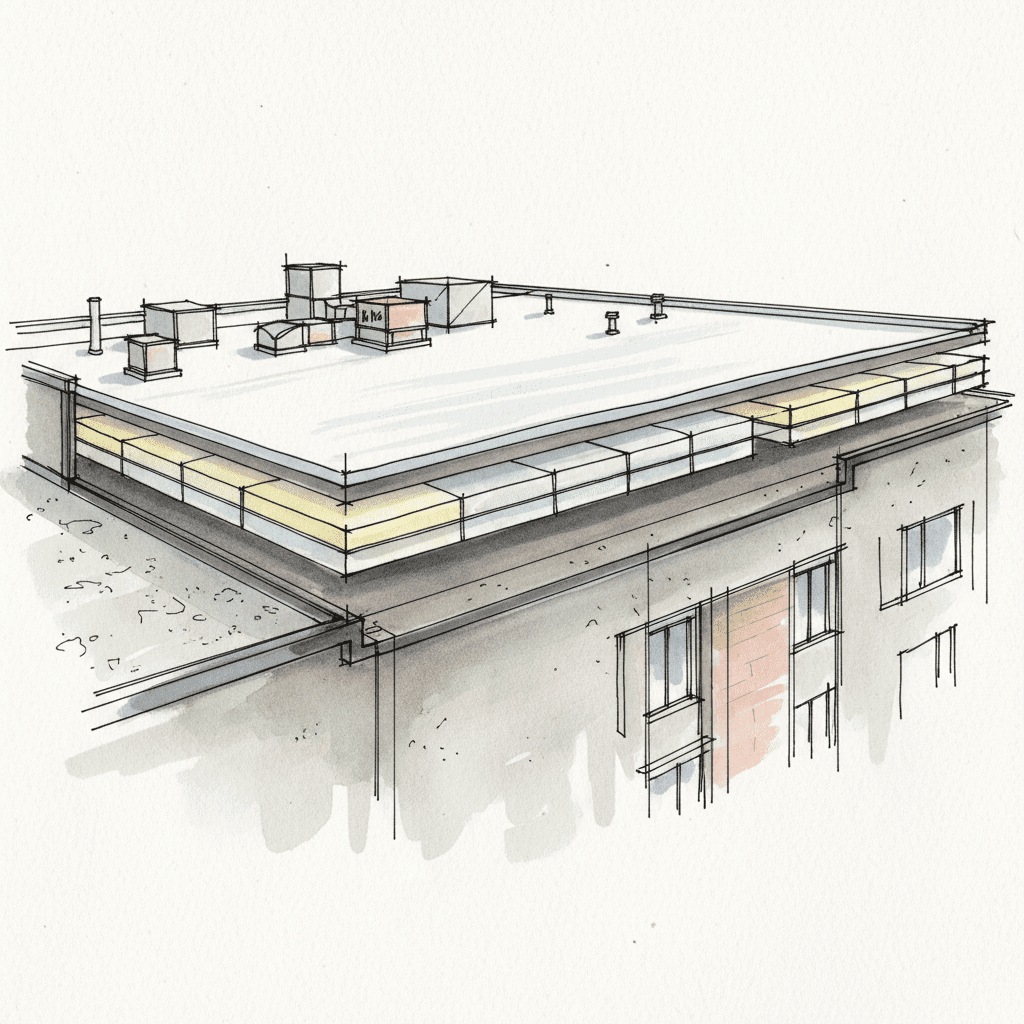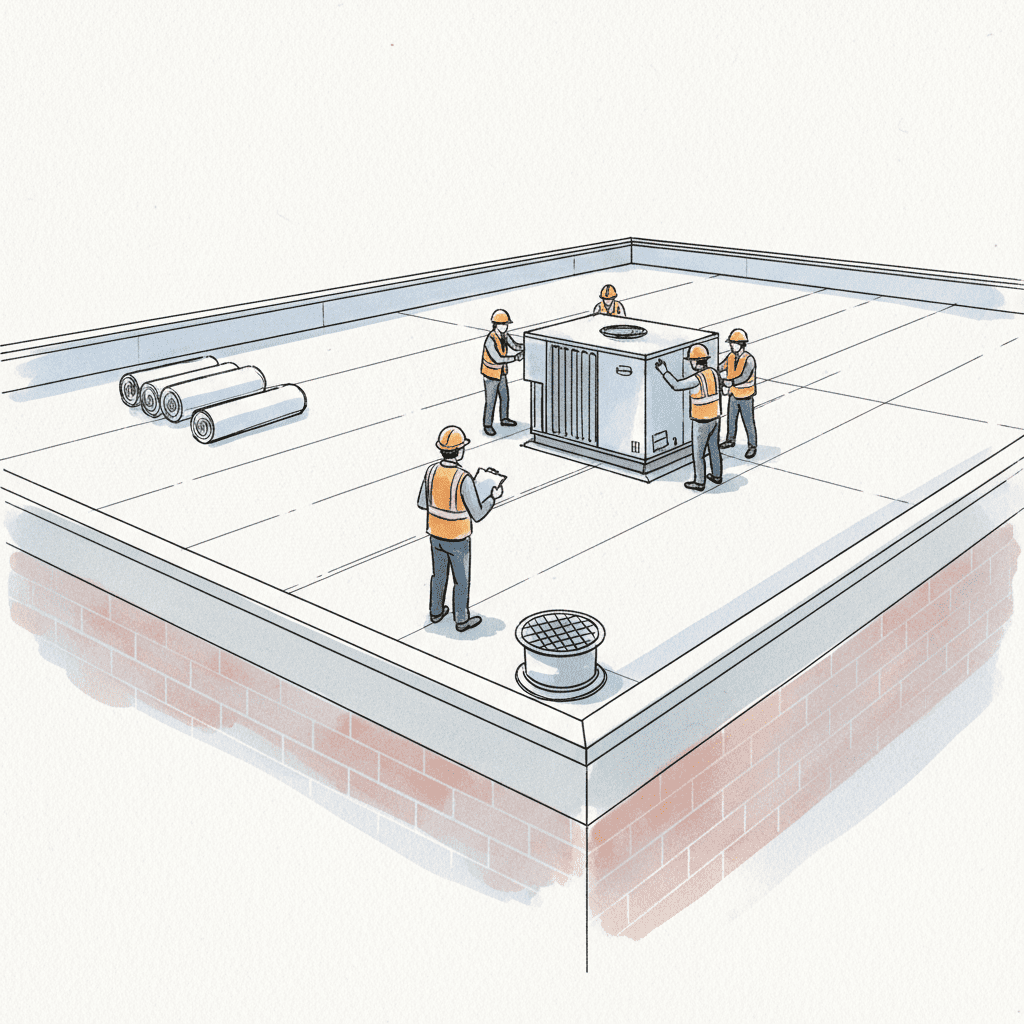
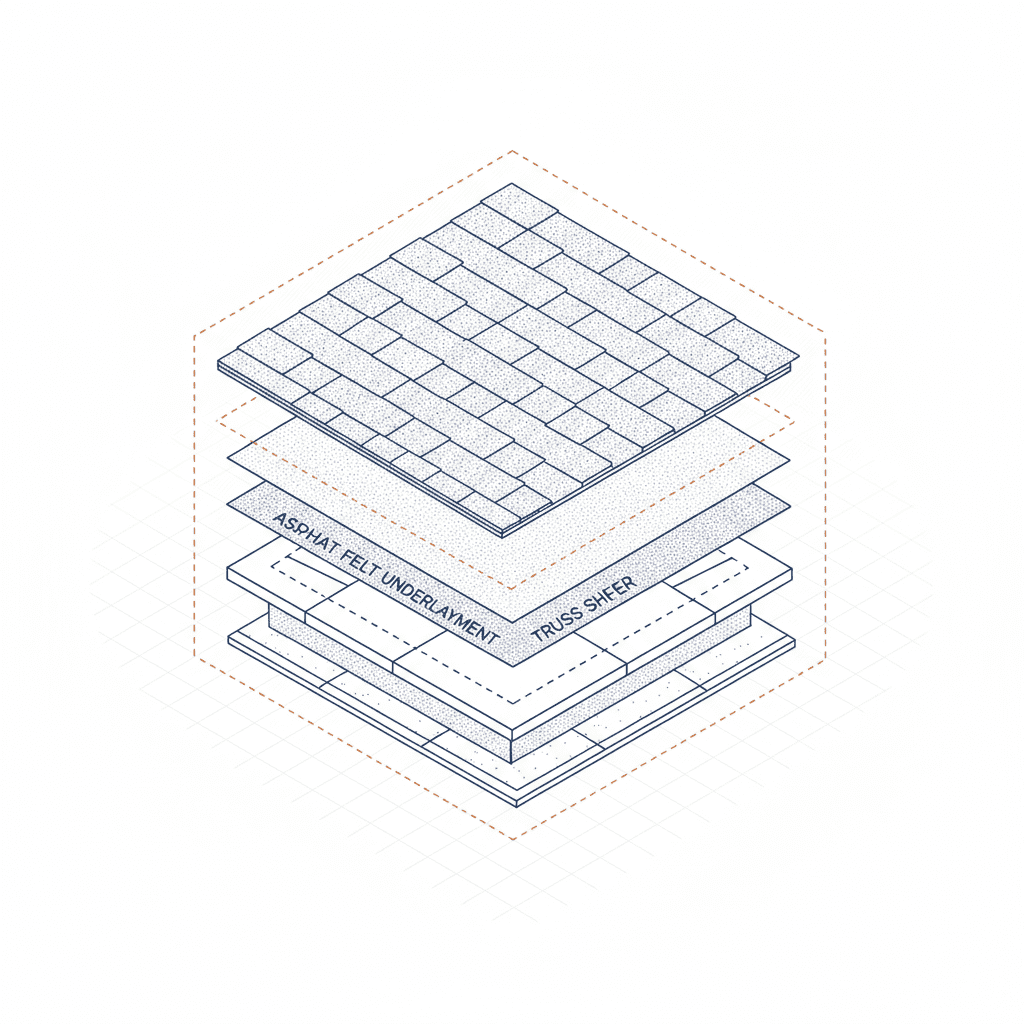
Solar reflective shingles are a roof covering engineered with specialized granules to reflect a higher percentage of the sun’s radiation than standard asphalt materials. This technology directly enhances the primary function of a roof system: providing protection for the building’s occupants and structure against extremes of temperature. By minimizing heat absorption from direct sunlight, these shingles reduce the thermal load on the entire building, creating a more stable and energy-efficient indoor environment. This is not a cosmetic upgrade; it is a strategic enhancement of the roof’s core function as a protective barrier.
Cool Roof Shingles: A Technical Definition
Cool roof shingles function as a critical component in passive cooling for a building. Unlike standard shingles that absorb a significant portion of the infrared spectrum of sunlight and convert it into heat, cool roof shingles are designed for high solar reflectance and thermal emittance. These two properties work together to keep the roof surface, the attic below, and the living space cooler without expending energy. The objective is to manage solar radiation before it can penetrate the building envelope.
Analyzing Solar Reflectance Index (SRI) for Peak Performance
The Solar Reflectance Index (SRI) is the standard metric used to quantify a roof’s ‘coolness’. It is a unitless value from 0 to 100 that consolidates two key physical properties:
- Solar Reflectance (Albedo): The fraction of solar energy that is reflected by the roof surface. A value of 1.0 indicates 100% reflectance.
- Thermal Emittance: The ability of a material to release absorbed heat back into the atmosphere. A value of 1.0 indicates it is radiating heat at maximum efficiency.
A high SRI value indicates a surface that both reflects solar heat and efficiently releases any heat it has absorbed. Materials with high SRI values are essential for meeting standards like ENERGY STAR® and contributing to credits in green building certifications like LEED (Leadership in Energy and Environmental Design). For a meticulous homeowner, the SRI value is a non-negotiable data point for verifying a product’s performance claims against the extremes of temperature common in our climate.
Material Composition: The Function of Reflective Granules
The performance of a cool roof asphalt shingle is determined by its outermost layer of granules. A standard asphalt shingle uses granules primarily for color and basic protection against physical damage and UV degradation. Solar reflective shingles utilize advanced, multi-layered granules. These granules have a standard mineral core but are coated with a highly reflective, specialized pigment that is spectrally selective. This coating is engineered to reflect infrared radiation, which accounts for over half of the sun’s energy, while still allowing for a range of visible colors. This technology provides robust UV protection for the underlying asphalt, preventing premature brittleness and extending the material’s service life.
Core System Benefits: A Quantitative Analysis
Adopting cool roof technology is a calculated decision with measurable benefits that extend beyond simple temperature moderation. The advantages manifest in reduced operational costs, increased asset longevity, and quantifiable environmental contributions.
Energy Efficiency: Measuring Reductions in Building Cooling Load
The primary financial benefit of a solar reflective roof covering is a direct reduction in building cooling load. By reflecting solar energy, the roof surface can remain up to 50°F cooler than a conventional shingle on a hot day. This temperature delta has a cascading effect:
- Reduced Attic Temperature: A cooler roof deck significantly lowers the temperature in the attic space, which acts as a thermal buffer between the roof and the living area.
- Lowered HVAC Demand: With less heat radiating into the home, the air conditioning system operates for shorter cycles and less frequently. This translates directly to fewer kilowatt-hours consumed, reducing energy bills during peak demand months.
- Decreased Peak Demand Strain: Lowering your home’s energy use during the hottest parts of the day contributes to overall grid stability and can sometimes qualify for utility incentives.
The energy savings directly correlate to the home’s insulation levels, attic ventilation, and local climate, but a 10-20% reduction in cooling costs is a widely documented and reasonable expectation.
Material Longevity: Mitigating Thermal Shock and UV Degradation
Heat is the primary adversary of any roof. A cool roof system provides superior protection for the materials it comprises. Extreme daily temperature cycles, known as thermal shock, cause roofing materials to expand and contract. This constant movement stresses seams, seals, and the shingles themselves, accelerating wear. By maintaining a lower, more stable temperature, solar reflective shingles significantly reduce the intensity of thermal shock. Furthermore, the specialized reflective granules provide enhanced protection against UV degradation, slowing the breakdown of the asphalt binder that holds the shingle together. This results in a longer effective shingle lifespan and postpones a major capital expenditure for replacement.
Environmental Metrics: Impact on Urban Heat Island Effect
On a community scale, the widespread adoption of cool roofs has a measurable impact on the urban heat island effect. This phenomenon occurs when dense concentrations of dark, heat-absorbing surfaces (like asphalt roads and conventional roofs) raise the ambient temperature in a city compared to surrounding rural areas. Higher ambient temperatures increase smog formation and place greater strain on the energy grid. By installing a cool roof, you are not only lowering your own energy bills but also contributing to a tangible community benefit by reducing the overall heat signature of your neighborhood.
Installation Prerequisites and System Dependencies
A solar reflective shingle is a high-performance component, not a standalone solution. Its efficacy depends entirely on its integration within a properly engineered roofing system. Failure to account for system dependencies is the most common cause of underperformance. Chaos in roofing is born from ignoring these critical interrelationships.
The Critical Role of Attic Ventilation in System Efficacy
Attic ventilation is non-negotiable for any roofing system, but it is especially critical for a cool roof. Even with reflective shingles, some heat will transfer to the roof deck. A properly balanced ventilation system—consisting of intake (soffit vents) and exhaust (ridge vent)—continuously flushes this super-heated air out of the attic. This prevents moisture buildup, which can damage the roof deck and insulation, and ensures the heat reflected by the shingles is not simply trapped below them. Without correct ventilation, you are negating a significant portion of your investment in cool roof technology.
Structural Compatibility: Assessing Existing Roof Constructions
Before installation, a thorough structural assessment is mandatory. We verify the condition of the roof deck, checking for rot, delamination, or inadequate thickness. The roof’s support system, including trusses and load-bearing walls, must be sound. While solar reflective shingles are not significantly heavier than standard architectural shingles, a roof replacement is the ideal and often only time to correct underlying structural deficiencies. We also analyze the roof pitch; while most cool roof shingles are suitable for standard pitches, specific performance can vary, and manufacturer guidelines must be strictly followed.
System Comparison: Cool Roof Shingles vs. Standard Architectural
The decision between standard and cool roof shingles requires a clear, data-driven comparison. Focusing on a single variable, like initial cost, is a flawed approach.
| Attribute | Standard Architectural Shingles | Solar Reflective Shingles |
|---|---|---|
| Initial Material Cost | Lower | Higher (10-20% premium) |
| Solar Reflectance (SRI) | Low (Typically < 25) | High (Often > 25, required for ENERGY STAR) |
| Energy Savings | None | Significant reduction in cooling costs |
| Expected Lifespan | Good | Excellent (due to reduced thermal stress) |
| Color Options | Widest range, including very dark colors | More limited, typically lighter hues, though darker reflective options exist |
| Warranty | Standard manufacturer warranty | Similar to premium architectural lines |
Financial Analysis: Total Cost of Ownership vs. Initial Price
A home is your most significant asset. Evaluating a major capital improvement like a new roof based solely on its upfront cost is a critical error. The correct methodology is to analyze the Total Cost of Ownership (TCO), which provides a complete financial picture and protects your investment.
Calculating Long-Term ROI from Energy Savings and Rebates
The return on investment for solar reflective shingles is calculated from several sources. The most direct return comes from monthly energy savings. We can create a reasonable financial model based on your home’s size, local utility rates, and the SRI of the selected shingle to project a payback period. Additionally, many utility companies and municipalities offer rebates or tax credits for installing ENERGY STAR certified cool roof products. These incentives can significantly reduce the initial capital outlay and accelerate your return on investment.
Factoring in Reduced HVAC Maintenance and Extended Roof Lifespan
The TCO calculation must include second-order effects. A reduced cooling load means less strain on your HVAC system. This translates to fewer maintenance calls, a lower likelihood of premature component failure, and an extended operational lifespan for the entire system. This is a direct reduction in future maintenance and capital expenditure. Similarly, the extended lifespan of the roof covering itself means the replacement cycle is pushed further into the future, preserving your capital for other uses. This is fundamental asset protection.
Why Upfront Price is a Flawed Metric for Project Evaluation
The pursuit of the lowest possible price is the single greatest source of chaos in a construction project. It incentivizes contractors to cut corners on materials, use less-skilled labor, and ignore critical system dependencies like ventilation. This inevitably leads to hidden costs, premature failures, and the stressful, unpredictable experience that plagues the roofing industry. Our process is designed to eliminate these variables. We engage in value engineering that focuses on long-term performance and durability, not stripping out cost at the expense of quality. The predictability of our process is more valuable than a low initial bid that hides future expenses.
Our Process: Executing a Predictable Cool Roof Installation
We believe the only sane way to manage a roofing project is with a transparent, documented, and step-by-step methodology. We have engineered our process to be the antidote to the chaos and uncertainty that homeowners fear. This is how we ensure a predictable, stress-free outcome.
The Antidote to Chaos: A Step-by-Step Project Blueprint
Your project is managed with a clear, logical sequence. There are no surprises because every step is defined and communicated.
You receive a detailed, line-item proposal with exact material specifications and a fixed price. No vague estimates, no hidden fees.
We coordinate material delivery, dumpster placement, and site protection. You receive a complete project timeline before work begins.
Our certified team executes the plan. Your dedicated Project Manager provides daily updates on progress and next steps.
We conduct a final quality control inspection and walk the site with you to ensure every detail meets your and our exacting standards.
A Bill of Materials, Not a Vague Estimate
We provide absolute financial clarity. You will never receive a one-page estimate with a single number. You will receive a comprehensive proposal that includes a full Bill of Materials. Every component is specified by brand and model number. Every phase of labor is itemized. This is a fixed-price contract, which means the price you are quoted is the price you pay. This approach removes the financial anxiety that comes with vague allowances and the potential for surprise charges. It is the only way to ensure true project control.
Why We Are Not the Right Fit for Price-Driven Clients
Our process is meticulous. It is documented. It is predictable. This level of control, communication, and quality assurance requires a significant investment in project management and skilled labor. It is not the cheapest way to install a roof, but it is the only way to guarantee a specific outcome.
If your primary decision metric is finding the absolute lowest price, we are respectfully not the right contractor for your project. We are not a commodity service. We exist for meticulous homeowners for whom the cost of chaos, delays, communication failures, and premature rework is far greater than the premium for a guaranteed, professionally managed process.