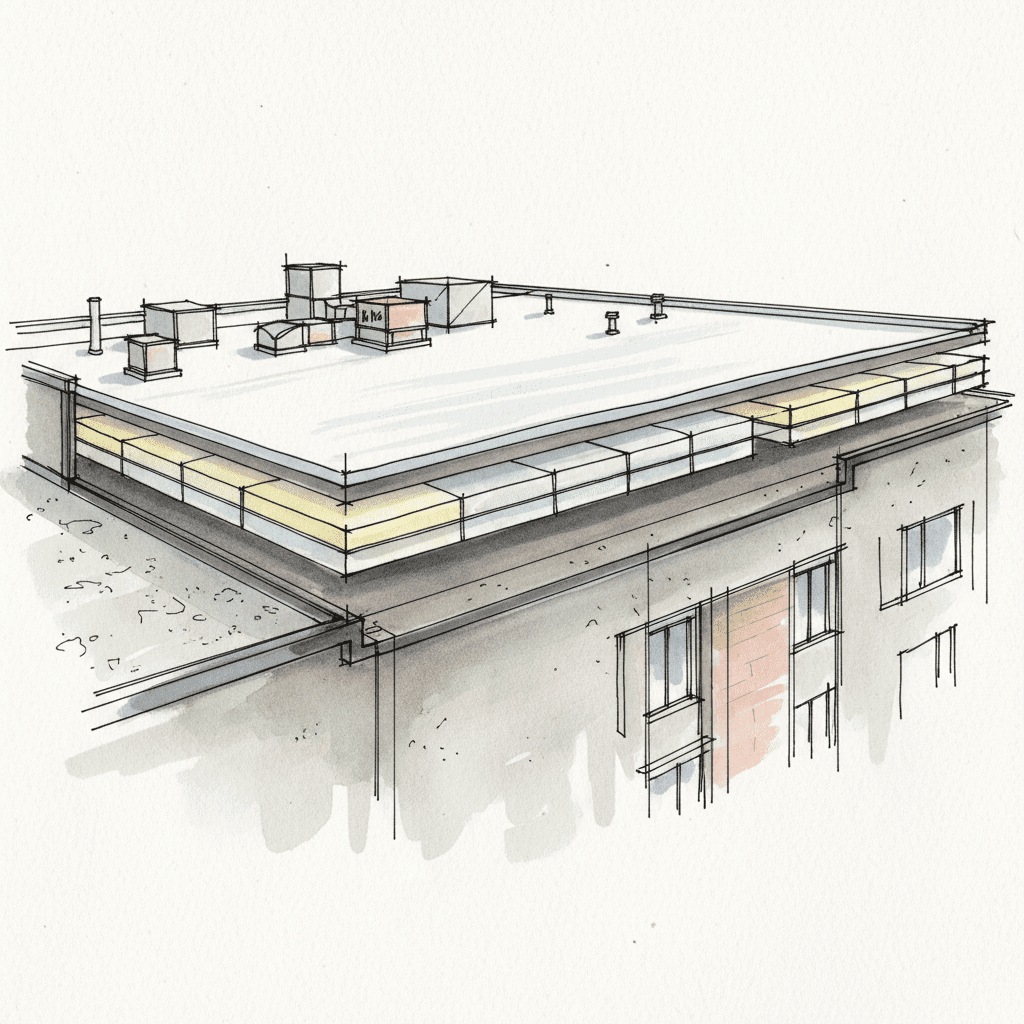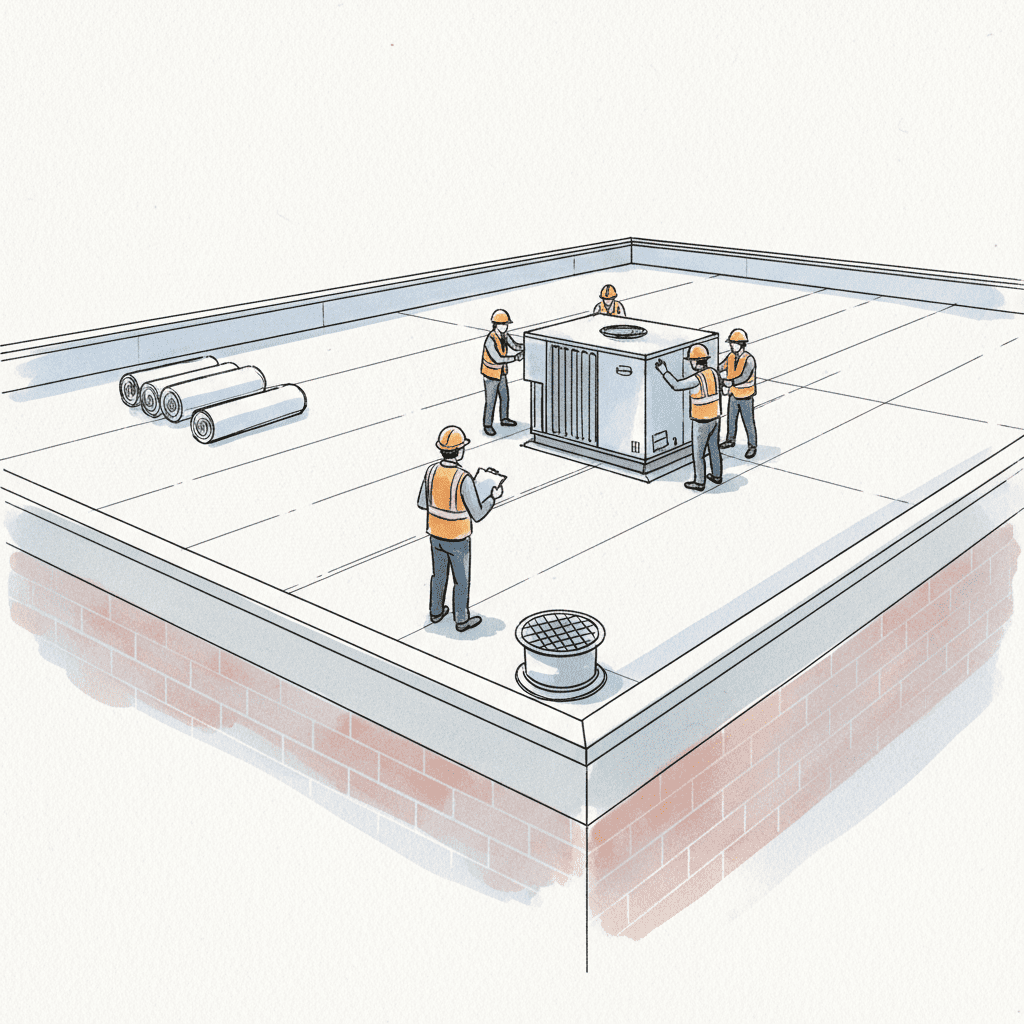
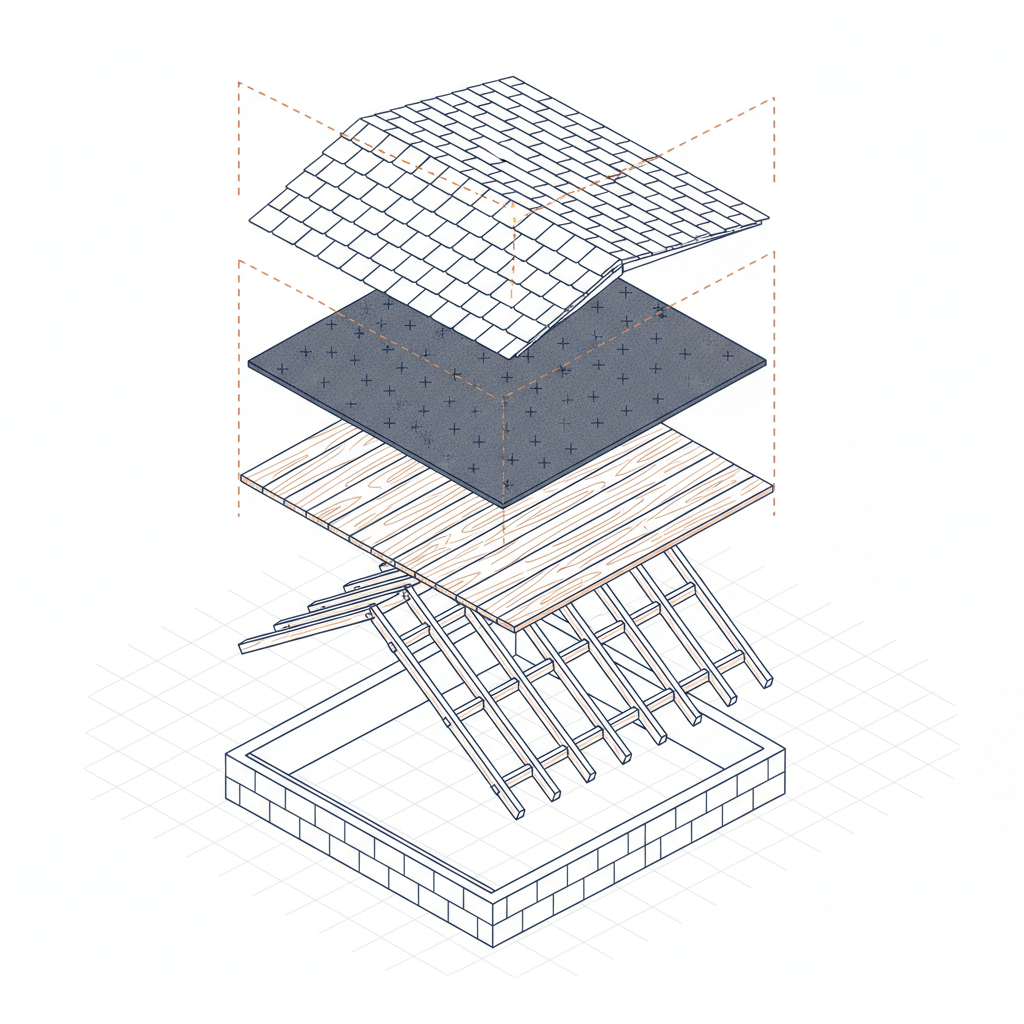
Evaluating roofing contractor credentials is a systematic due diligence process to verify a firm’s legal, financial, and technical capacity to install a complete roof system. The roof is the top covering of a building, encompassing all materials and constructions required for its support and designed to provide protection against rain, snow, sunlight, wind, and extremes of temperature. Failure to rigorously vet a contractor introduces unacceptable risk to this critical building asset.
The standard roofing industry operates on ambiguity and chaos. Vague quotes, unpredictable timelines, and poor communication are treated as norms. This is unacceptable. For a meticulous homeowner, such disorder is not just an annoyance; it is a direct threat to the project’s success and the home’s integrity. This checklist provides a structured methodology to eliminate chaos and ensure a predictable, controlled outcome.
If your primary objective is to secure the absolute lowest bid, we are not the right partner for you. Our process is designed for clients who understand that value is derived from predictability, clarity, and flawless execution, not from cutting corners on price.
Phase 1: Verifying Contractor Stability and Credentials
This initial phase establishes the contractor’s fundamental viability and legal authority to perform work on your property. It serves as the first line of defense against financial and legal risk.
Insurance Validation: Your Shield Against Financial Liability
Insurance is a non-negotiable proof of a contractor’s financial responsibility. It protects you, the homeowner, from liability resulting from worksite accidents or property damage. Demand a current Certificate of Insurance (COI) directly from their insurer. The two critical coverages are:
-
General Liability Insurance: This covers damage to your property or neighboring properties caused by the contractor’s operations. Verify that the policy limits are sufficient for the scale of your project and the value of your home. A $1 million policy is a minimum baseline; $2 million is preferable.
-
Workers’ Compensation: This protects you if a worker is injured on your property. Without it, you could be held financially responsible for medical bills and lost wages. Confirm the policy is active and covers all employees who will be on-site.
An uninsured contractor is not a bargain; it is an active transfer of project risk from them to you.
Licensing and Registration: Confirming Legal Compliance and Authority
Licensing confirms that a contractor has met the minimum standards set by a state or local governing body. It is a baseline indicator of professionalism and legality.
-
Verify with the State Licensing Board: Use the contractor’s license number to check their status on the official state board website. Confirm that the license is active, in good standing, and registered to the correct legal entity.
-
Local Permits and Building Codes: A competent contractor must demonstrate mastery of local building codes and the permitting process. Inquire about their process for pulling permits and scheduling inspections. This is a key part of ensuring the final work is fully compliant.
Local Presence and Longevity: Assessing Business Permanence
A contractor’s warranty is only as strong as their business. Assessing their stability ensures they will be around to honor their commitments.
-
Physical Business Address: Confirm they have a physical office or workshop, not just a P.O. Box. A permanent location signals a stable, invested business.
-
Years in Business: Longevity demonstrates an ability to manage projects, finances, and client relationships successfully over time. A minimum of five years in business under the same name provides a reliable track record.
-
Local Reputation and Past Projects: Request addresses of recently completed projects in your area. A confident contractor with a strong local standing will readily provide this information.
Phase 2: Technical Assessment of Roof System Competency
Once a contractor’s stability is confirmed, the next step is to audit their technical understanding of the roof as an integrated system. A roof is not merely its top layer; it is a complex assembly designed to manage water, wind, snow, and thermal loads.
Material Specifications: Evaluating Beyond Aesthetics to Performance
Material selection should be driven by performance metrics, not just appearance. The contractor must be able to articulate why a specific material grade or type is appropriate for your home’s specific exposure and architecture.
| Component | Due Diligence Question |
| Roof Covering | Why was this specific grade of asphalt shingle or gauge of metal roofing selected? What is its impact resistance and fire rating? |
| Manufacturer Warranty | Are you certified by the manufacturer to install this product? What steps will you take to ensure the manufacturer’s warranty is not voided? |
Structural Analysis: Their Plan for Decking, Trusses, and Supports
The roof system begins at its structural base. The contractor’s plan must include a thorough inspection and repair strategy for these foundational components. A new roof covering on a compromised structure is a catastrophic failure.
-
Roof Deck/Sheathing: What is the protocol for inspecting the existing decking after the old roof is removed? How will rotted or delaminated sheathing be addressed, and how are those repairs priced?
-
Trusses and Supports: How will they assess the condition of the underlying structure for signs of stress, moisture damage, or inadequate bracing?
Environmental Protection Strategy: A Plan for Wind, Rain, and Snow
This is the primary function of the roof system. The contractor must have a detailed, systematic plan for waterproofing and load resistance.
-
Underlayment and Ice/Water Shield: Specify the type of underlayment to be used (e.g., synthetic). Confirm that ice and water shield will be installed at all eaves, valleys, and penetrations, as per local code and manufacturer specifications.
-
Wind Resistance: How will the roof covering be fastened to meet or exceed local wind speed requirements? This includes the number and placement of nails per shingle or the clip system for metal roofing.
-
Flashing: The plan must detail the replacement of all flashing around chimneys, vents, and walls. Reusing old flashing is a common, unacceptable cost-cutting tactic.
Thermal Management: Scrutinizing the Ventilation and Insulation Plan
A roof must manage extremes of temperature and sunlight. This requires a balanced ventilation system to prevent heat and moisture buildup in the attic, which degrades the roof structure and materials from below.
-
Attic Ventilation Calculation: The contractor should be able to explain how they calculate the required amount of intake (soffit) and exhaust (ridge) ventilation for your attic space. An imbalanced system is ineffective.
-
Insulation Integration: How does their plan account for existing insulation? Will baffles be used to ensure soffit vents remain unobstructed?
Phase 3: Process Auditing for a Predictable Project Outcome
A superior technical plan is useless without a rigorous project management process to execute it. This phase audits the contractor’s systems for communication, logistics, and quality control. This is the antidote to industry chaos.
The Scope of Work Document: The Blueprint for Eliminating Ambiguity
A one-page quote is a red flag. Demand a detailed Scope of Work (SOW) that serves as the project’s constitution. It should leave no room for assumption or interpretation.
- Line-Item Estimate: Every material, labor task, and fee is listed separately.
↓
- Project Timeline: Clear start and completion dates with major milestones defined.
↓
- Payment Schedule: A defined schedule tied to project milestones, not arbitrary dates.
↓
-
Change Order Process: A formal process for documenting and approving any changes to the scope, cost, or timeline.
Communication Protocols: Defining the Cadence and Channel for Updates
Communication breakdown is the primary source of project stress. A professional contractor does not leave communication to chance. They have a system.
-
Dedicated Project Manager: You must have a single point of contact who is responsible for your project and empowered to answer your questions.
-
Defined Update Cadence: Establish whether you will receive daily or end-of-day updates. Define the channel (e.g., text, email, client portal) and expected response time for inquiries.
Site Management and Logistics: The Plan for an Orderly Worksite
A disorganized job site is a clear indicator of a disorganized process. It poses a safety risk and threatens your property. The contractor’s plan must include:
-
Debris Management: Where will the dumpster be placed? How will debris be moved from the roof to the dumpster to minimize damage to landscaping and siding?
-
Property Protection: What specific measures will be taken to protect windows, shrubs, HVAC units, and driveways?
-
Final Cleanup: The plan must include a magnetic sweep of the entire property to remove stray nails and fasteners.
Executing Your Decision: Choosing Order Over Chaos
After completing this due diligence, you are equipped to make a decision based on data and process, not on a single price point.
Why the Lowest Bid is an Unacceptable Business Risk
The lowest price is almost always achieved by omitting essential steps, using substandard materials, or carrying inadequate insurance. A low bid is not a savings; it is a down payment on future problems. Hidden costs arise from ambiguous scopes, resulting in a barrage of change orders that eliminate any initial savings. Inadequate workmanship leads to premature failure, voided material warranties, and the need for a complete replacement years ahead of schedule. Choosing the lowest bid is the surest path to project failure.
The RocStout Methodology: A System Built for Meticulous Homeowners
We have built our entire operation as the antidote to industry chaos. Our process is designed for clients who, like us, believe that a successful project is a predictable one.
-
Transparent Pricing: Our Scope of Work is absolute. Every detail is accounted for. The price is the price.
-
Step-by-Step Process: You will always know what happened yesterday, what is happening today, and what will happen tomorrow.
-
Quality Assurance: We follow manufacturer specifications to the letter, protecting your investment and your warranties.
-
Predictable Outcome: We eliminate variables. The result is a stress-free process and a roof system that performs exactly as designed.
Completing your due diligence is the most critical step in your roofing project. It is the only sane methodology for transforming a potentially chaotic experience into a controlled, professional project that protects your most valuable asset.